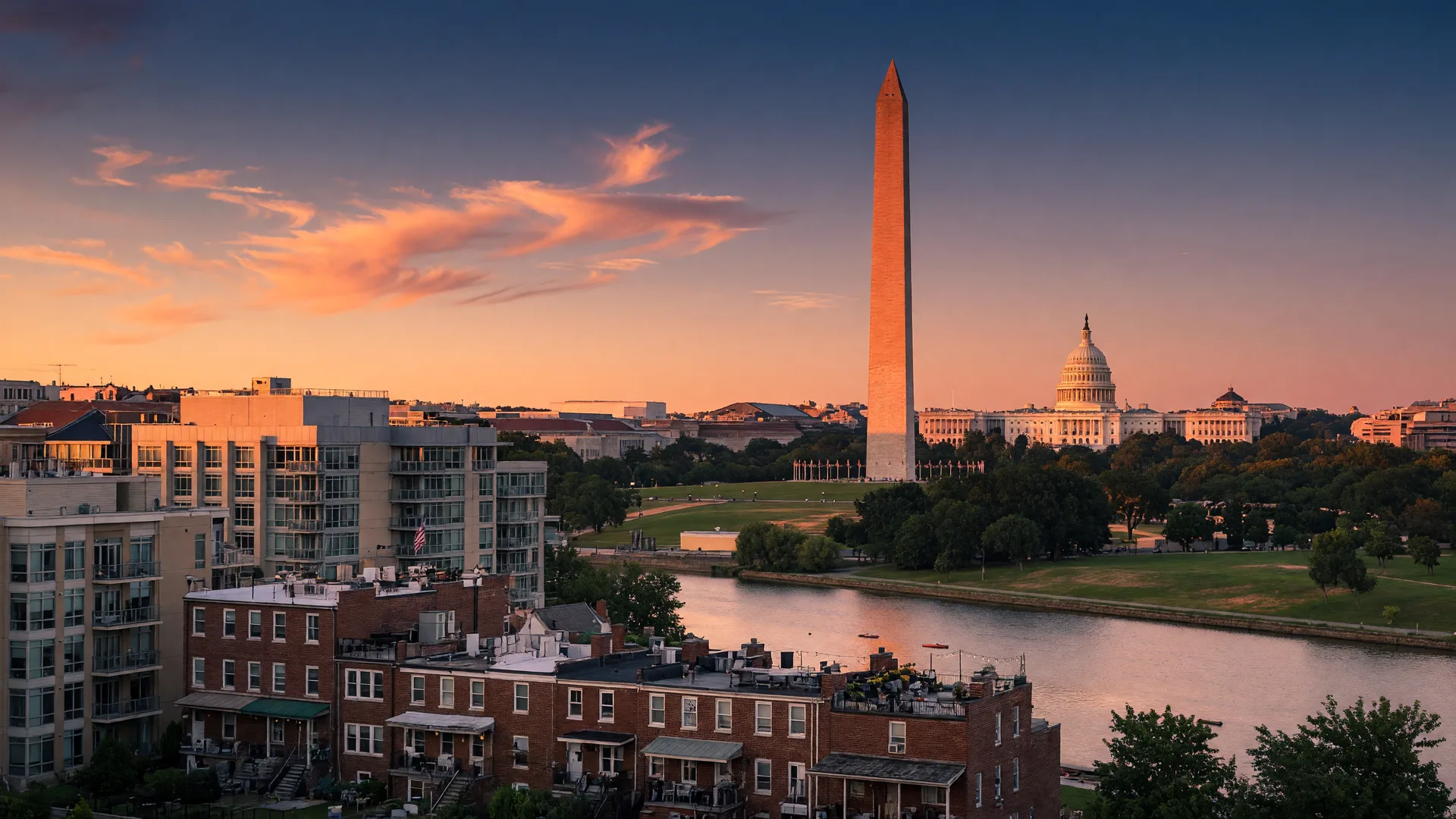
Washington, DC is one of the most dynamic metro areas in the country — and one of the most expensive. Whether you're relocating for a government job, a tech role, or simply a change of scenery, understanding the true cost of living is essential for planning a smooth transition. In this guide, I break down every major expense category so you can budget with confidence and avoid surprises after you arrive.
About This Video
This article is adapted from Robert Clarke's YouTube video covering the true cost of living in Washington, DC. Robert is a Realtor with Coldwell Banker Realty, and on his channel he covers what it's really like to live, work, and explore throughout the DMV. Subscribe to the channel for more local insights.
Housing: Rent vs. Buy
Housing is the biggest expense in Washington, DC — and the decision to rent or buy depends on your timeline, budget, and lifestyle. If you're just arriving, renting gives you flexibility to explore neighborhoods before committing. Median rent for a one-bedroom in DC runs between $2,300 and $2,700 per month as of early 2026, though you can find studios starting around $1,650 and two-bedrooms climbing past $3,000. In Northern Virginia and Maryland, you'll often find more square footage for your dollar, especially if you're willing to be a few Metro stops from downtown.
Neighborhood Price Differences
Where you live dramatically affects your costs. Georgetown, Dupont Circle, and Capitol Hill command premium rents — often $2,500 to $3,500+ for a one-bedroom. Move to neighborhoods like Columbia Heights, Petworth, or Brookland, and you'll find more reasonable options in the $1,800 to $2,300 range. Across the river, Arlington's Rosslyn-Ballston corridor offers urban living with slightly lower rents than DC core, while Alexandria's Old Town balances charm with value. In Maryland, Bethesda and Silver Spring offer family-friendly options with good Metro access.
Buying a Home in the DMV
If you're looking to buy, the median home price in DC hovers around $670,000 to $695,000 in 2026. Arlington runs higher at $700,000 to $800,000+, while Alexandria offers a range of $550,000 to $700,000. Bethesda commands a premium — $800,000 to $1,000,000+ — largely driven by top-rated school districts. The DC metro area overall averages around $585,000, with prices up nearly 5% year-over-year. Inventory remains tight, so having a clear budget and a responsive agent makes a real difference.
Utilities
Expect to pay between $250 and $375 per month for basic utilities in a typical DC apartment or small home. Electricity runs $100 to $160 per month, gas around $50 to $80, water and sewer about $50 to $90, and high-speed internet roughly $55 to $75. Older buildings may have higher heating costs in winter, and some apartments include water in the rent — always ask before signing a lease.
Transportation Costs
Getting around the DMV is one area where you can control costs. WMATA's Metro system covers DC, Virginia, and Maryland with 91 stations across six lines. A single off-peak ride ranges from $2.25 to $6.75, and the monthly SmartBenefits cap of about $216 gives you unlimited rides. Bus fare is a flat $2 per ride. If you commute from Virginia, VRE runs $4.85 to $12.35 per ride; MARC from Maryland ranges from $5 to $9. Many residents save significantly by ditching their car — parking alone can cost $200 to $400 per month in many DC neighborhoods.
Groceries
Grocery costs in DC run about 10–15% above the national average. A single adult should budget $400 to $600 per month, a couple around $800, and a family of four $1,200 or more. Shopping at stores like Wegmans, Trader Joe's, and Costco can help stretch your budget. Farmers markets — Eastern Market, Dupont Circle, and the Crystal City market are standouts — offer fresh local produce, especially in season.
Dining Out
Washington, DC is a food lover's paradise, and eating out ranges from affordable to splurge-worthy. A casual lunch at a neighborhood café or food truck runs $12 to $18. Dinner at a mid-range restaurant averages $30 to $55 per person before drinks. Happy hour is practically a DC institution — many restaurants offer significant discounts from 4 to 7 PM on weekdays, making it the best way to explore the city's culinary scene without breaking the bank.
Healthcare
The DC metro area is home to some of the nation's top hospitals and medical centers, including MedStar Georgetown, George Washington University Hospital, and Johns Hopkins in Baltimore. Health insurance costs vary widely depending on your employer plan, but residents generally have excellent access to care. If you're self-employed or between jobs, DC's health insurance marketplace offers several options. Budget roughly $300 to $600 per month for individual coverage if you're purchasing on your own.
Taxes
Understanding the tax landscape is essential when comparing DC, Virginia, and Maryland. DC has a progressive income tax with rates ranging from 4% to 10.75%, and residents also pay a 6% sales tax on most goods and services. Virginia's top income tax rate is 5.75%, while Maryland's reaches 5.75% for state taxes — though some counties add local income taxes as well. Property taxes vary significantly: DC's rate is about $0.85 per $100 of assessed value, Virginia's average around $1.06, and Maryland's vary by county. An accountant familiar with DMV tax rules is worth the investment.
Budgeting Tips for New Residents
Here are my top practical tips for managing your budget in the DC area. First, live close to Metro if you can — the savings on gas, parking, and car maintenance often offset a slightly higher rent. Second, take advantage of happy hours and restaurant weeks to explore the dining scene affordably. Third, shop at multiple grocery stores rather than relying on one — the savings add up. Fourth, set aside money for unexpected costs like parking tickets, which are aggressively enforced in DC. Finally, consider the total cost of living, not just rent — a cheaper neighborhood with a longer commute may cost more when you factor in transit time and expenses.
The cost of living in Washington, DC is real — but so are the career opportunities, cultural richness, and quality of life that keep people here for the long haul. The key is understanding where your money goes and making intentional choices about neighborhood, commute, and lifestyle. That's exactly where I can help.
Want a Personalized Budget Breakdown?
Every move is different. Whether you need help comparing neighborhoods, understanding your purchasing power, or building a complete relocation budget, I'm here to help you plan it all out.

Robert Clarke
Realtor · Coldwell Banker Realty · SP99196
Engineer turned real estate agent with a Master's from GWU. I help families find their place in the DMV with a blend of technical rigor and genuine local knowledge.