Neighborhood Guides
From historic Georgetown to suburban Bethesda — every neighborhood in the DMV has its own personality. Find yours.
Washington, DC has over 120 distinct neighborhoods, plus dozens more in Arlington, Alexandria, Bethesda, and the broader DMV. This guide covers the most popular areas for newcomers — with honest takes on what makes each one special, who it's best for, and what to expect for transit and daily life.
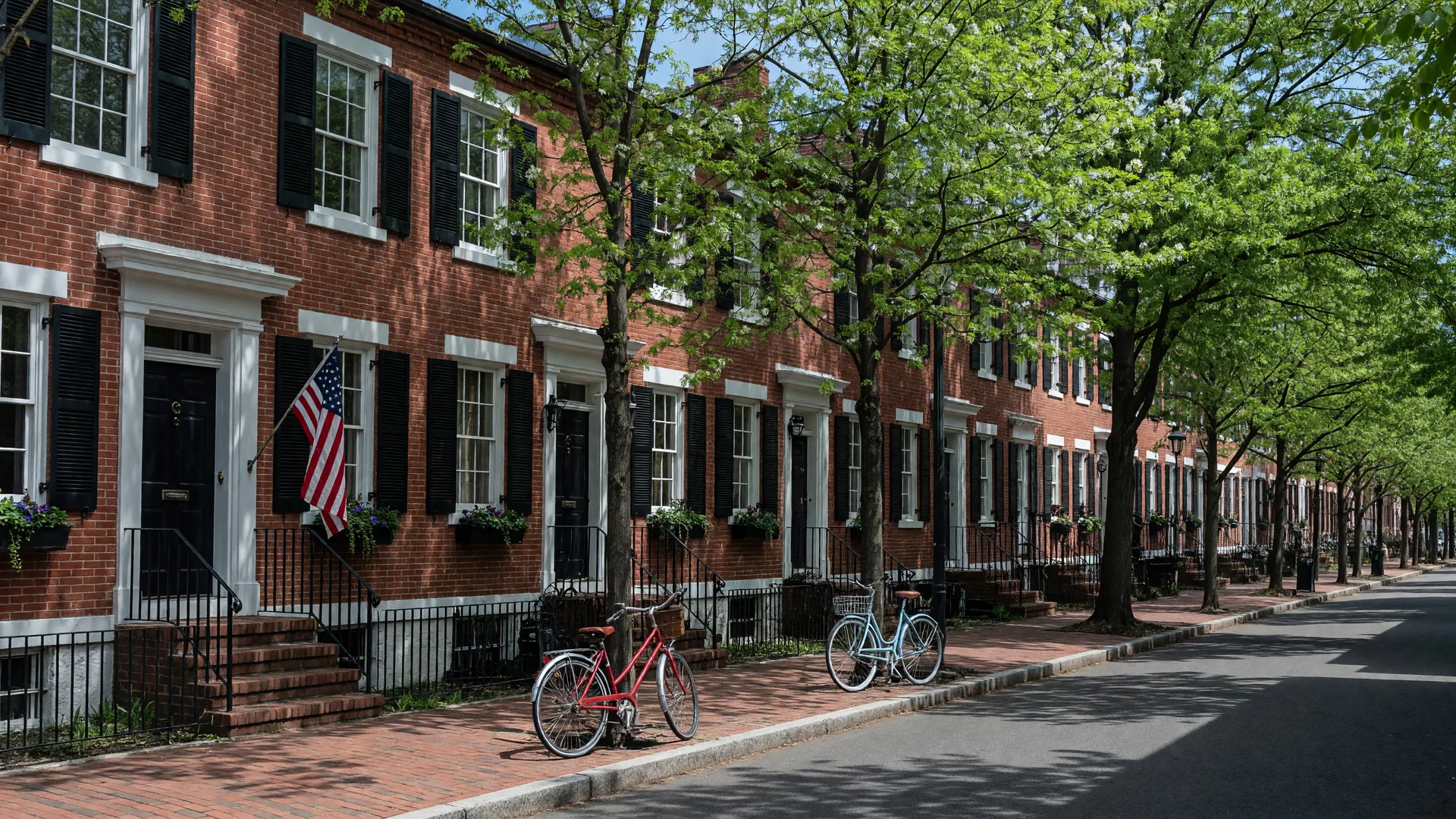
Historic, Upscale, Walkable
Georgetown
Georgetown is Washington's crown jewel — a historic neighborhood with cobblestone streets, Federal-style architecture, and one of the best shopping and dining scenes in the city. Located along the Potomac River, it's home to Georgetown University and a vibrant mix of young professionals, families, and long-time residents.
Best For
No Metro station (bus and bike preferred). About 25 minutes to downtown by car.
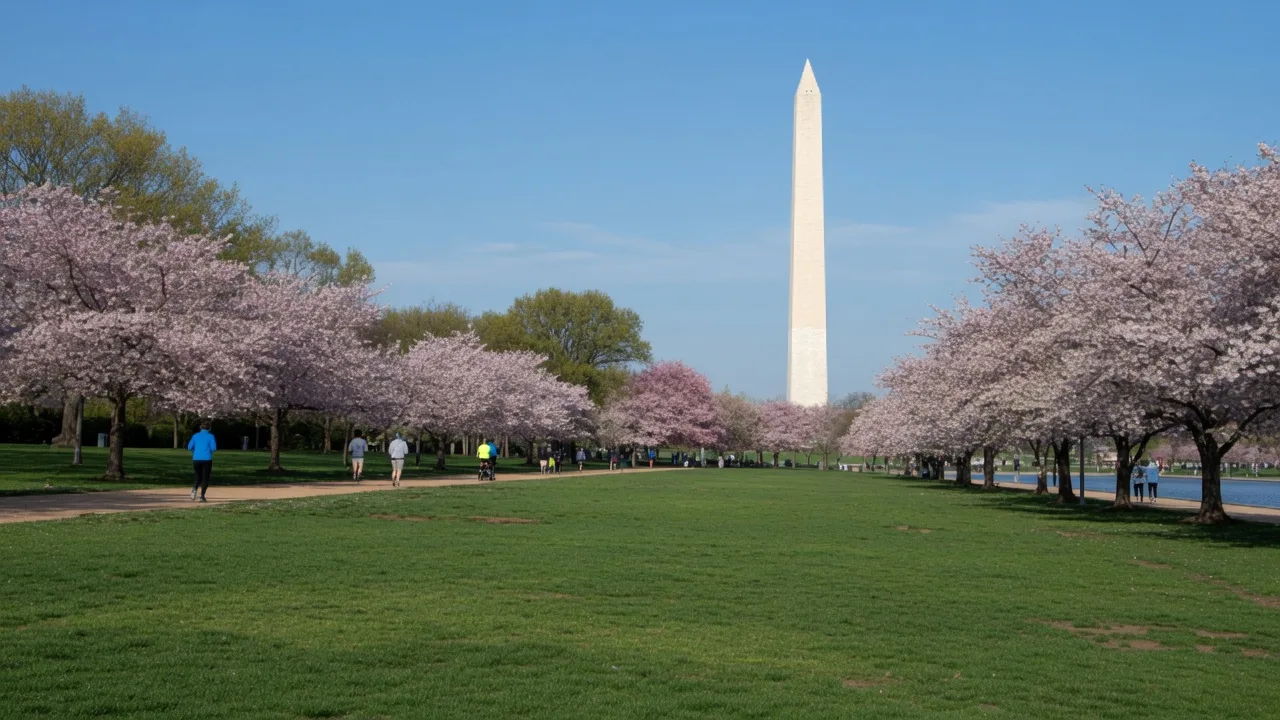
Walkable, Community, Central
Capitol Hill
One of DC's oldest and largest residential neighborhoods, Capitol Hill offers tree-lined streets, beautiful row houses, and an incredible sense of community. Steps from the Capitol building, Eastern Market, and the National Mall, it's where history meets daily life.
Best For
Metro access at Eastern Market (Blue/Orange/Silver). Excellent bus routes.
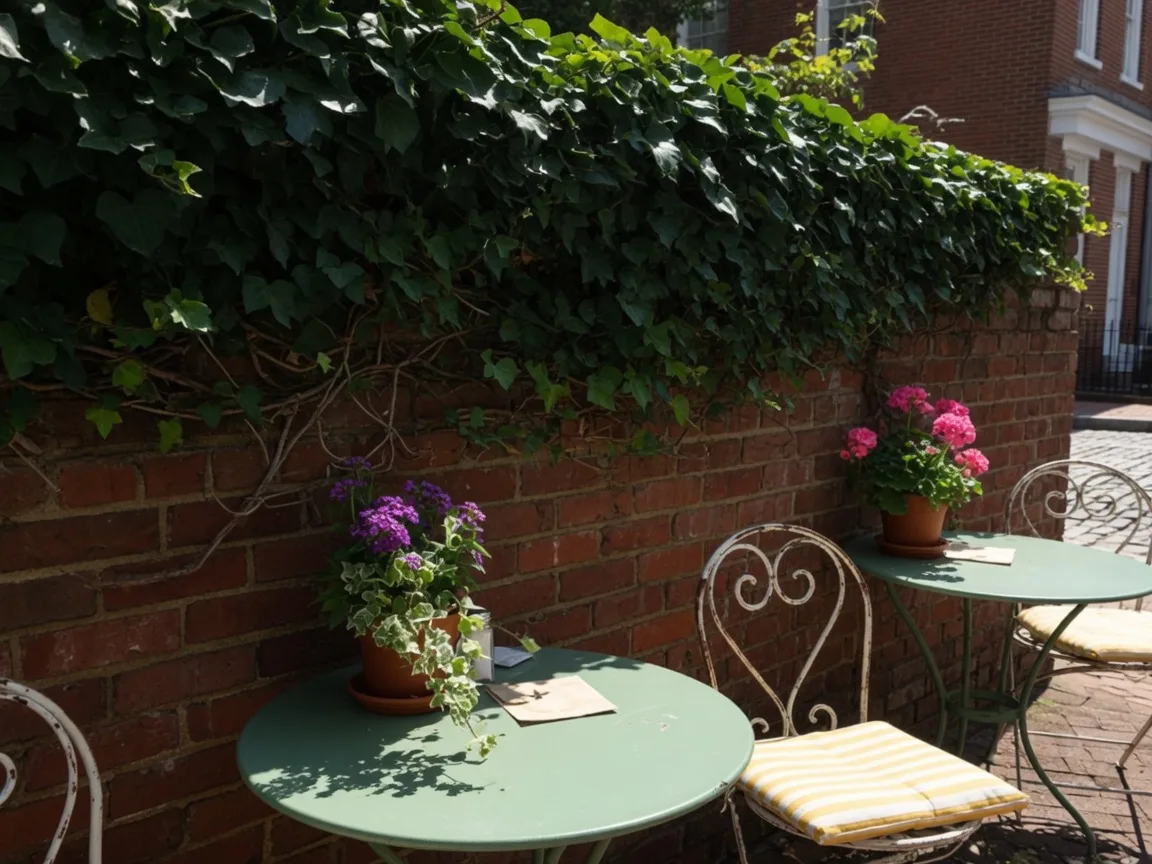
Cosmopolitan, Cultural, Vibrant
Dupont Circle
The cultural heart of DC, Dupont Circle is a magnet for those who love walkable urban living with access to world-class museums, embassies, and some of the best restaurants in the city. The iconic fountain at its center is a gathering spot for locals and visitors alike.
Best For
Metro access at Dupont Circle (Red Line). Extremely walkable and bike-friendly.
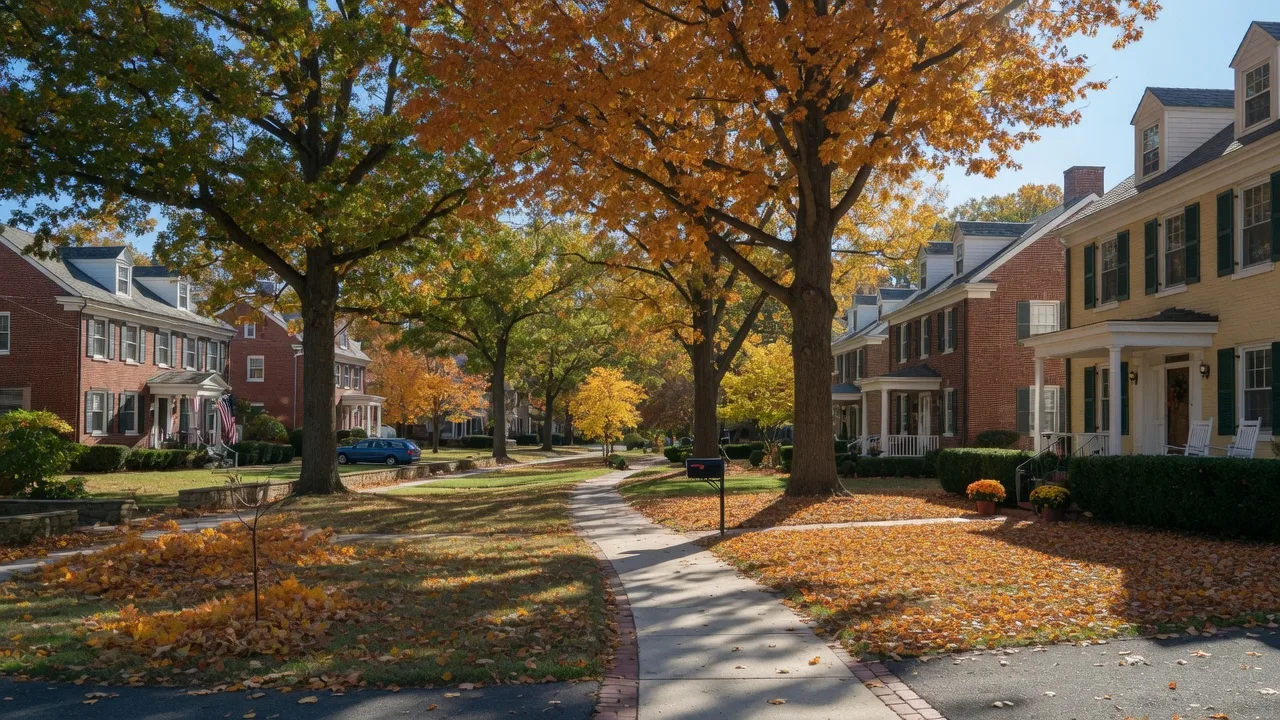
Urban-Suburban, Family-Friendly, Well-Connected
Arlington, VA
Arlington consistently ranks among the best places to live in America. Neighborhoods like Clarendon, Rosslyn, and Ballston offer urban density with Metro access, while Yorktown and Lyon Park provide suburban charm with top-rated schools. A short commute to DC makes it ideal for professionals and families alike.
Best For
Excellent Metro access (Orange, Silver, Blue lines). 15–20 minutes to downtown DC.
Historic, Charming, Community-Driven
Alexandria, VA
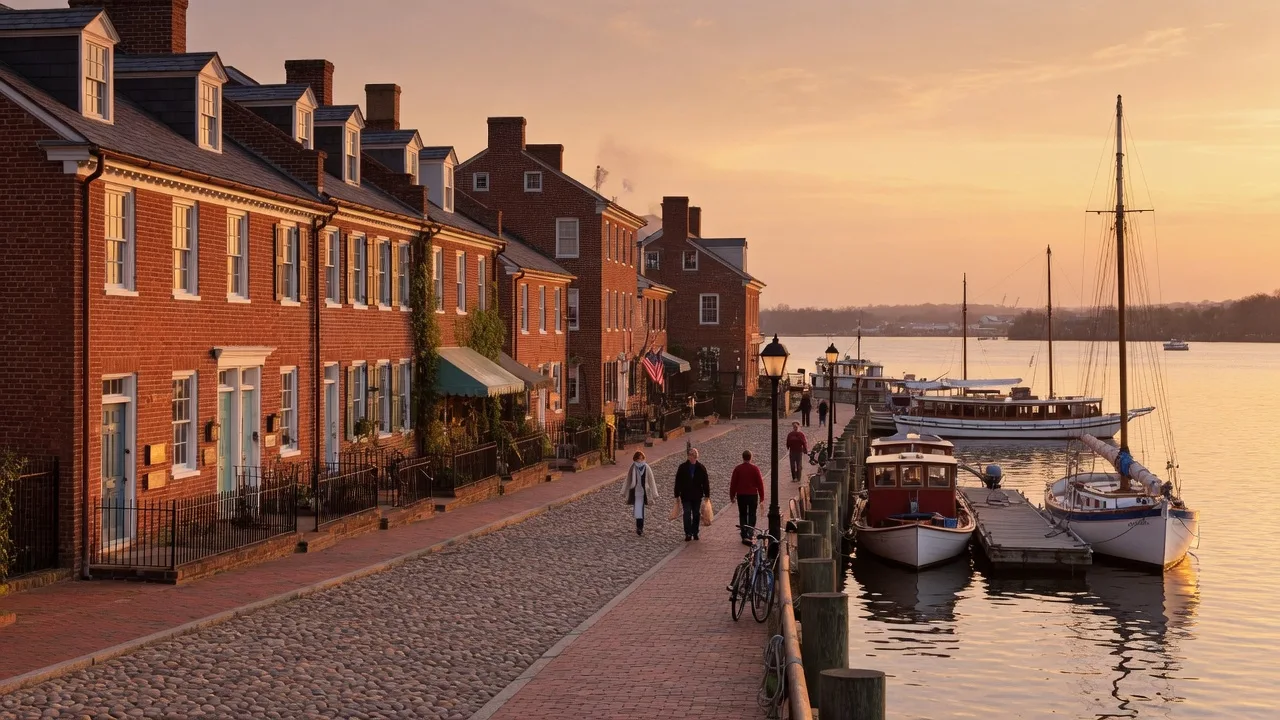
Old Town Alexandria is a postcard come to life — cobblestone streets, colonial architecture, and a waterfront that hosts festivals year-round. Beyond Old Town, neighborhoods like Del Ray and Seminary Hill offer more space with the same welcoming community spirit.
Best For
Metro access at King Street (Blue/Yellow). VRE commuter rail. 10–25 minutes to DC.
Upscale, Suburban, Top Schools
Bethesda, MD
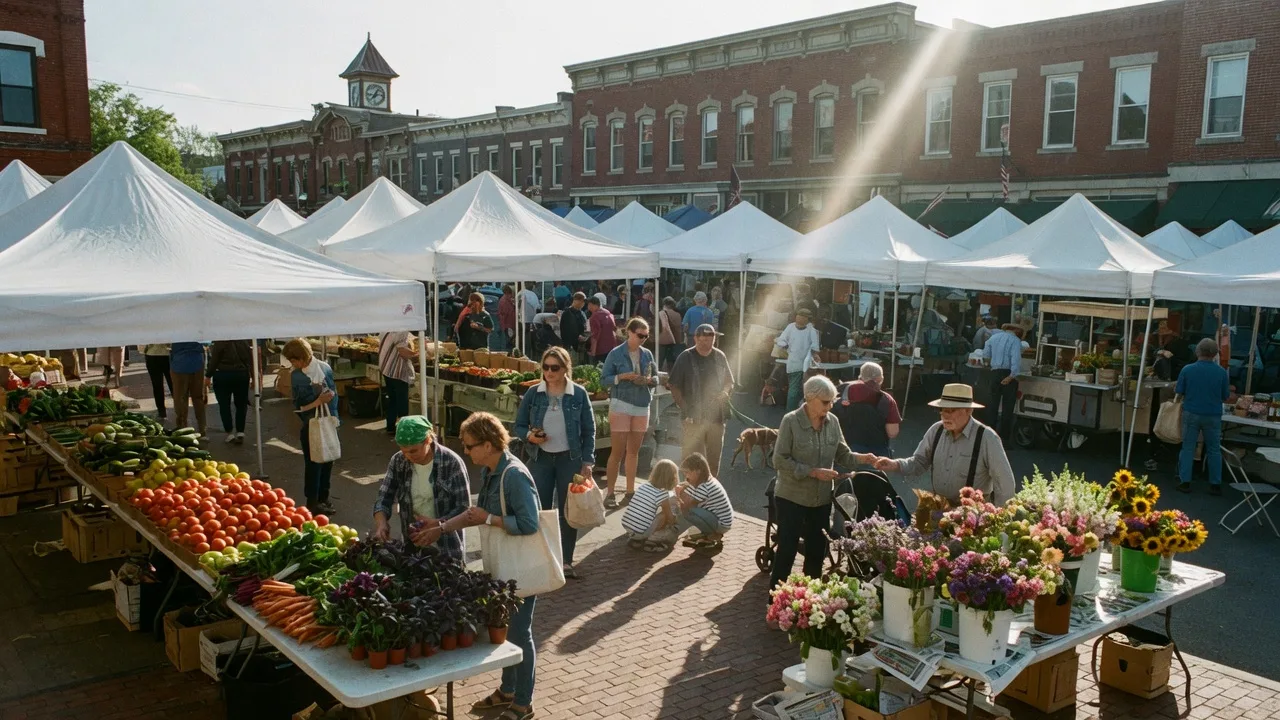
Bethesda offers the rare combination of suburban tranquility and urban sophistication. Tree-lined streets lead to a vibrant downtown with boutiques, restaurants, and the renowned Bethesda Row. Montgomery County schools here are among the best in the state.
Best For
Metro access at Bethesda (Red Line). About 25 minutes to downtown DC.
Also Worth Exploring
The DMV has dozens more neighborhoods worth considering.
Adams Morgan
Brookland
Cleveland Park
Navy Yard
Falls Church
Vienna
Reston
Tysons
Chevy Chase
Mount Pleasant
H Street
NoMa
Good to Know
Frequently Asked Questions
Quick answers to the questions new neighbors ask most about schools, commutes, and pricing across the DMV.
Which neighborhoods have the best Metro access?
Dupont Circle sits on the Red Line, Capitol Hill is served at Eastern Market on the Blue, Orange, and Silver lines, and Bethesda connects downtown via the Red Line. On the Virginia side, Arlington's Rosslyn-Ballston corridor runs along the Orange, Silver, and Blue lines, while Alexandria's King Street-Old Town station serves the Blue and Yellow lines.
Which neighborhoods are best for families?
Capitol Hill, Arlington, Bethesda, and Alexandria all rank high with families for their schools, parks, and community feel. Bethesda draws on Montgomery County Public Schools, while Arlington and Alexandria run their own highly regarded systems. School boundaries are address-specific, so the exact home matters.
Which areas suit young professionals?
Dupont Circle, Georgetown, and Navy Yard are favorites for walkable urban living, nightlife, and Metro access. Across the river, Arlington's Clarendon, Rosslyn, and Ballston stretch offers the same energy with a quicker path to the office.
How much does it cost to buy a home in the DMV?
The median home price in DC proper sits around $670,000 to $695,000. Suburban medians vary: roughly $700,000 to $800,000 and up in Arlington, $550,000 to $700,000 in Alexandria, and $800,000 to $1,000,000 and up in Bethesda. See the full breakdown on the cost of living page.
How does the commute work from the suburbs?
Metro covers most of the region, with VRE and MARC commuter rail extending farther out to the south and north. Arlington is roughly 15 to 20 minutes from downtown DC, Bethesda about 25 minutes on the Red Line, and Old Town Alexandria about 20 minutes on the Blue and Yellow lines. For a deeper dive, see the commute guide.
How do I narrow down the right neighborhood?
Start with your commute, budget, and lifestyle, then think about schools if they matter to your family. Every neighborhood in this guide is different, and the best fit depends on how you actually want to live day to day. Robert is happy to help you compare areas side by side.
Not Sure Which Neighborhood Fits?
I've spent years getting to know every corner of the DMV. Let me help you narrow it down based on your lifestyle, commute, and budget.
Get a Personalized Recommendation