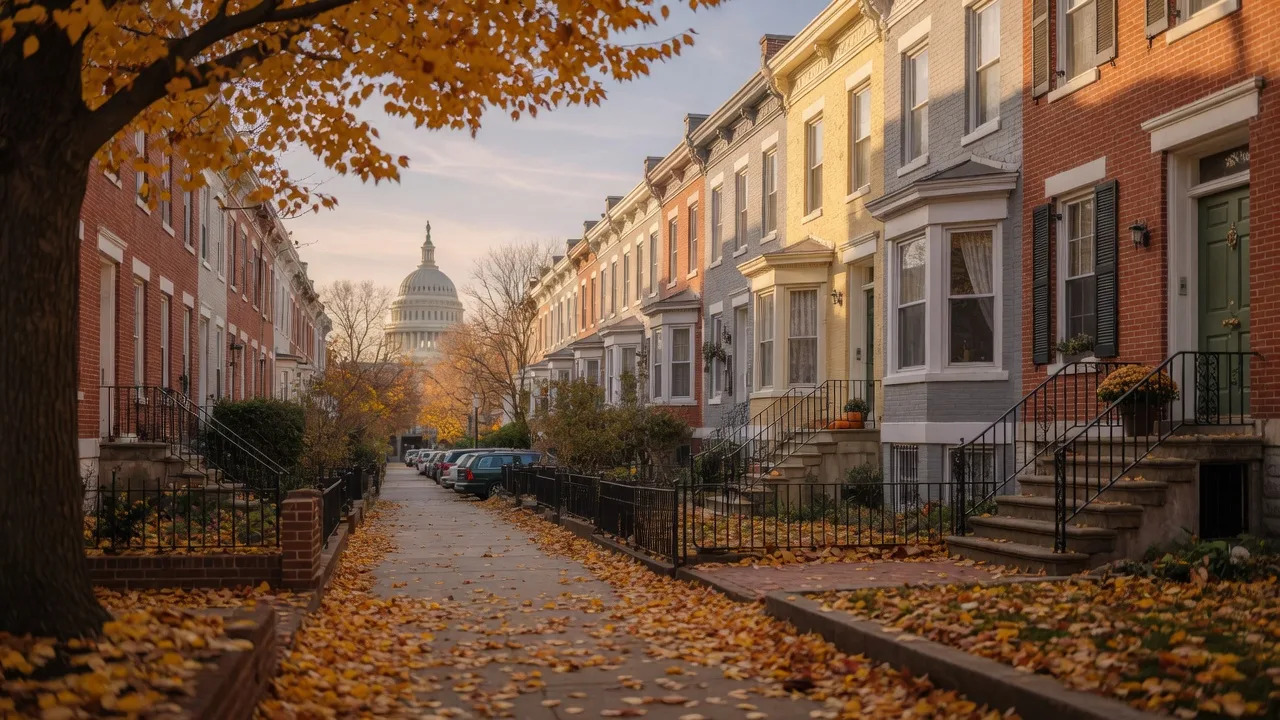
Washington, DC real estate in late October 2026 is a market of two speeds: well-priced homes in walkable, Metro-served neighborhoods still move quickly, while inventory keeps climbing and mortgage rates near 7.4 percent give buyers the most negotiating room they have had in years. Here is what the latest numbers mean for anyone buying, selling, or simply watching the market while living in our Nations Capital.
What the Latest Market Data Shows
Bright MLS, the region's multiple listing service, put the District's September median sale price at $690,000, up about 1 percent from a year earlier, with the wider metro median near $640,000. The bigger story is inventory: active listings across the metro ran roughly 18.5 percent higher than a year ago at the end of September, and the District has been hovering near four to five months of supply, close to the threshold that defines a balanced market. Homes in the metro averaged about 19 days on market in August per Bright MLS, so a well-priced listing still finds a buyer in weeks, not months.
Mortgage Rates Near 7.4 Percent
The other headline is financing. The average 30-year fixed mortgage rate reached about 7.40 percent in mid-October, per Freddie Mac's weekly survey, up from 6.27 percent a year earlier, with Bankrate's national average sitting just under 7.4 percent. Higher monthly payments are the main reason entry-level homes under roughly $600,000 are accumulating unsold inventory even as the luxury tier keeps moving. Locking in terms now, or negotiating seller-paid rate buydowns, matters more than it has in a decade.
Where Buyers Have Leverage
Condos are the softest segment of the Washington, DC real estate market right now: the District's condo median sat near $539,900 in the fall data, with condos averaging close to two months on market and selling at about 95 percent of asking. That means real room to negotiate on price, closing costs, and concessions, especially on units that have sat for 30 days or more. Navy Yard on the Anacostia waterfront, NoMa's Union Market district, and condo buildings near George Washington University in Foggy Bottom and American University in Tenleytown are worth a hard look. Townhomes remain the strongest segment with a median near $834,500, so expect competition on Capitol Hill rowhouses and Logan Circle Victorians priced realistically.
A Word for Sellers
For sellers, the message is price it right from day one. A staged, well-photographed home near Metro still attracts multiple offers, especially in Georgetown, Shaw around Howard University, Cleveland Park, or across the river in Arlington near George Mason University. Overpriced homes now sit while better-priced neighbors go under contract, so lean on your agent's comparative market analysis before you list.
Why the DMV Holds Its Value
What keeps the market steady is the region's economic backbone: universities and hospitals with decades-deep roots. Georgetown University, Catholic University in Brookland, and the medical campuses of MedStar Georgetown University Hospital, George Washington University Hospital, Children's National Medical Center, and Walter Reed National Military Medical Center in Bethesda anchor neighborhoods with stable jobs, which is why Washington, DC real estate so often holds its value when other cities correct.
Whether you are a first-time buyer eyeing a Navy Yard condo, a family weighing school zones and commutes, or a seller timing a winter listing, a clear read on the numbers makes the decision easier. Email Robert Clarke at Coldwell Banker Realty at robert.clarke@cbrealty.com, or schedule a free consultation, and let's talk about what living in our Nations Capital could look like for you.
Curious What the Market Means for You?
Buyers, sellers, and renters all read these numbers differently depending on their timeline and goals. Robert brings a technical approach, a Master's from George Washington University, and deep local knowledge to every conversation.
Robert Clarke · Coldwell Banker Realty · robert.clarke@cbrealty.com

Robert Clarke
Realtor · Coldwell Banker Realty · SP99196 · DC, MD, CT & MA
Engineer turned real estate agent with a Master's from George Washington University. I help families and professionals find their place in the DMV with a blend of technical rigor and genuine local knowledge, from neighborhood deep-dives to complete relocation support.
Market data sourced from Bright MLS's Washington, DC Metro Housing Market Reports (August and September 2026), Freddie Mac's Primary Mortgage Market Survey (week of October 15, 2026), Bankrate, and local real estate research as of October 21, 2026. Figures vary by source and window, and market conditions change quickly; consult a licensed real estate professional for current guidance.
Frequently Asked Questions
Quick answers to the questions this market update tends to raise.
Is it a buyer's or seller's market in DC right now?
Overall it is balanced, with a distinct buyer advantage in condos, where inventory is deepest and days on market run longest. Well-priced townhomes and single-family homes in popular corridors like Capitol Hill, Logan Circle, and Shaw still attract competition.
What are mortgage rates doing in October 2026?
The average 30-year fixed rate was about 7.40 percent in mid-October per Freddie Mac's weekly survey, up from 6.27 percent a year earlier. Bankrate's national average sat just under 7.4 percent the same week.
What is the median home price in Washington, DC right now?
Bright MLS put the District's September median sale price at $690,000, up about 1 percent from a year earlier, with the wider metro median near $640,000. All-home-type medians vary by source and neighborhood, so your specific search deserves a tailored look.
Should I wait to buy if rates are near 7.4 percent?
Not necessarily. More inventory and longer days on market mean some sellers are willing to negotiate on price or offer rate buydowns, which can offset a high rate. Run the numbers for your target home type and neighborhood before deciding to wait.