Washington DC Living FAQ
Honest, practical answers to the questions newcomers ask most about the DMV.
Whether you are contemplating a move to Washington, DC or simply weighing your options across the DMV, this FAQ collects the questions I hear most often from clients and readers. Every answer is grounded in the guides on this site, and where the numbers matter, the numbers link to the pages that keep them current.
What should I know before moving to Washington, DC?
Plan ahead and you will settle in quickly. Start with the neighborhoods, then set a realistic budget, understand your commute, and visit your top areas in person at different times of day. Expect four distinct seasons, serious rush hour traffic, residential parking permit rules in many DC neighborhoods, and a Metro system that often beats driving. Our relocation checklist walks through every step.
Do I need a car living in DC?
Not necessarily. Washington, DC is highly walkable, with a citywide walk score of 77, and the Metro serves 91 stations across the region. Many residents rely on Metro, bus, and bikeshare for daily life. If you do bring a car, budget for reality: many apartment buildings charge around $200 to $400 per month for garage parking, and many neighborhoods require a residential parking permit.
What is the traffic like?
Rush hour is serious. Traffic peaks between 7 and 9 AM and 4 to 7 PM, and the Metro is often faster than driving during those windows. If you commute into downtown DC, living near a Metro station is the single best way to protect your mornings.
Is DC a good place for pet owners?
Yes. DC is one of the most pet-friendly cities in the nation. Most neighborhoods have dog parks, many apartments welcome pets, and the region is full of parks and trails for daily walks.
How much does it cost to live in Washington, DC?
The DC metro area is one of the more expensive in the nation, but also one of the highest-earning. A one-bedroom apartment in the city typically rents between around $2,300 and $2,750 per month, and median home prices sit near $700,000 citywide. The full picture depends on your neighborhood, housing type, and lifestyle. Our cost of living breakdown covers rent, groceries, utilities, and transit.
What is the average rent in DC?
As of early 2026, expect roughly $1,650 to $2,100 for a studio, around $2,300 to $2,750 for a one-bedroom, $3,000 to $3,050 for a two-bedroom, and $4,350 to $5,500 for a three-bedroom in the city center and nearby areas. Neighborhoods vary widely, with monthly rents ranging from about $1,800 to $3,500 depending on where you look.
What does it cost to buy a home in DC?
The median home price in Washington, DC is around $700,000 citywide, roughly $522 per square foot, and the DC metro area overall sits near $585,000. Prices vary by neighborhood: Arlington tends to run from $700,000 to $800,000 and up, while Bethesda often lands between $800,000 and over $1 million. Our market data page keeps these figures current.
How much should I budget for utilities and groceries?
For a typical household, utilities including electricity, gas, water, and internet average around $365 to $376 per month. Groceries run about $400 to $600 per month for a single adult and $1,200 or more for a family of four. These are general ranges and vary with your home size and habits.
What do Metro and trains cost?
Metro fares run about $2.25 to $6.75 per ride depending on distance and time of day, with a monthly cap near $216 for unlimited rides. The bus is roughly $2.00 per ride, VRE ranges from about $4.85 to $12.35, and MARC runs $5.00 to $9.00. The commute guide has the full breakdown.
Which DC neighborhood is right for me?
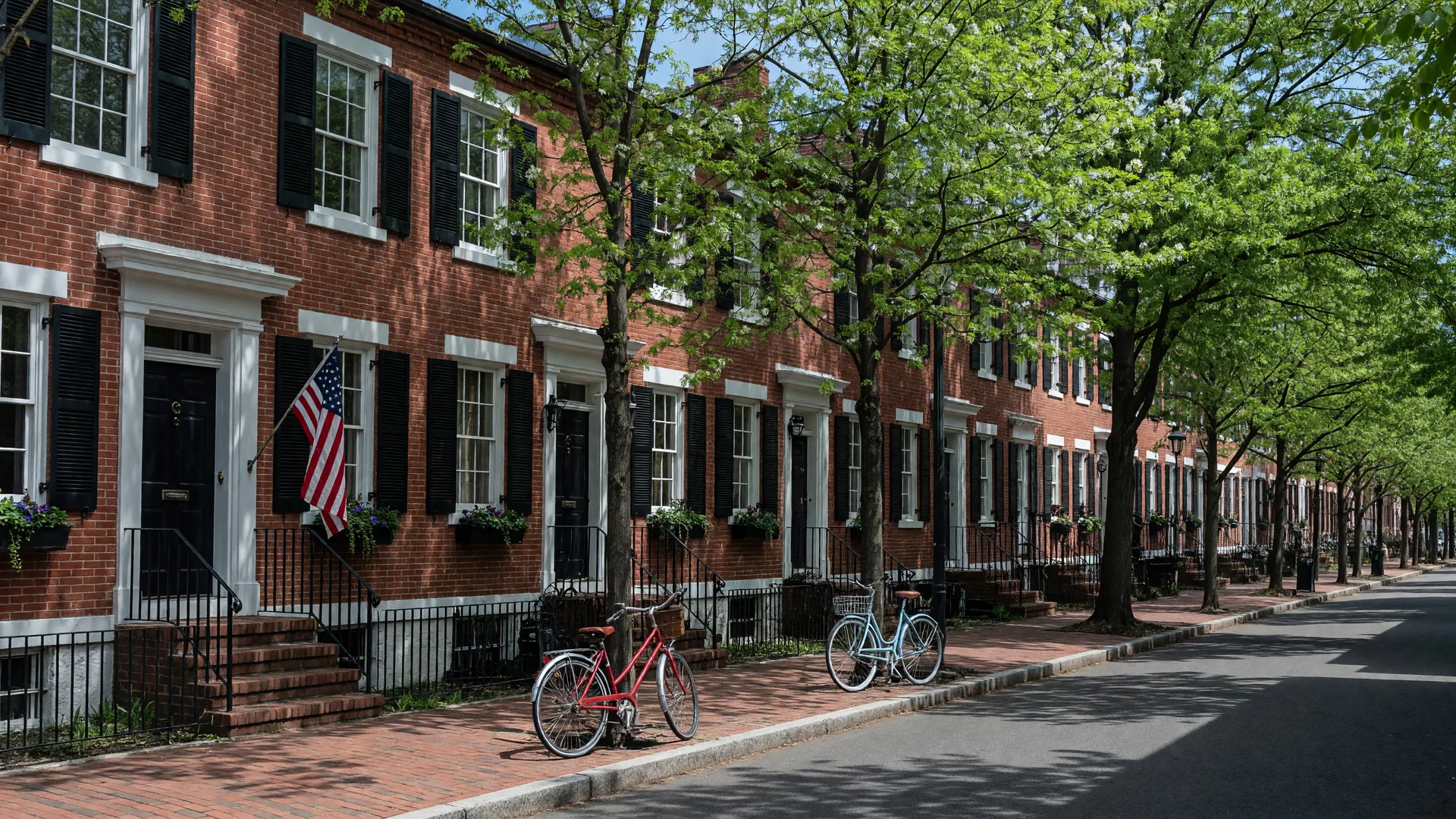
It depends on your lifestyle. Georgetown offers historic charm and upscale walkability, Capitol Hill delivers tree-lined streets and community, Dupont Circle is the cosmopolitan cultural heart, and Navy Yard is the fast-growing waterfront. In the suburbs, Arlington, Alexandria, and Bethesda each offer their own balance of commute, schools, and space. Start with our neighborhood guides to compare them all.
What are the best neighborhoods for young professionals?
Dupont Circle, Adams Morgan, Shaw, and Navy Yard are favorites for young professionals, thanks to walkable streets, Metro access, vibrant nightlife, and a mix of apartments and condos.
What are the best neighborhoods for families?
In DC, families often gravitate to Capitol Hill, Cleveland Park, Tenleytown, and Chevy Chase DC for schools, parks, and community. In the suburbs, Arlington, Bethesda, and Alexandria offer excellent schools and family amenities.
Which neighborhoods are best for commuters?
Live near the line you ride. Bethesda sits on the Red Line, Arlington neighborhoods like Rosslyn and Ballston sit on the Orange and Silver lines, Columbia Heights and U Street are on the Green line, and Old Town Alexandria connects via the Blue and Yellow lines. The commute guide pairs neighborhoods with your daily route.
How do Arlington, Alexandria, and Bethesda compare?
Arlington is an urban-suburban balance with quick Metro access and top-rated schools. Alexandria, especially Old Town, is historic waterfront charm with world-class dining and a tight-knit community. Bethesda offers tree-lined streets, excellent schools, and a vibrant downtown, often at a premium price. All three are minutes from DC by Metro.
What are the best schools in the DMV?
The DMV is home to some of the country's best schools. Fairfax County schools include Thomas Jefferson High School for Science and Technology, and Montgomery County's 25 high schools all made U.S. News and World Report's Best High Schools list. In DC, citywide magnets like School Without Walls and Banneker, charters like BASIS DC and Washington Latin, and top neighborhood elementary schools like Janney and Lafayette are all standouts.
How do DC school assignments work?
Every DC address has an assigned in-boundary DCPS school, and families can also apply to citywide magnet schools and public charter schools through the MySchoolDC common application, which typically opens in December and closes in March. Our schools guide explains the process in full.
What are my commute options in the DMV?
The options are excellent: six Metro lines serving 91 stations, Metrobus, the DC Circulator, Capital Bikeshare, VRE commuter rail in Virginia, MARC in Maryland, and driving with HOV lanes. Most daily commuters pick a neighborhood based on which line gets them downtown fastest.
How long is the commute from the suburbs?
Metro makes the suburbs feel close: Arlington's Rosslyn is 5 to 10 minutes from downtown, Old Town Alexandria 15 to 25, Bethesda 20 to 30, Falls Church 25 to 35, Vienna 30 to 40, Tysons 35 to 50, and Reston 50 to 70. Baltimore reaches DC in about 50 to 60 minutes on MARC.
What is the DC housing market like right now?
The market is shifting toward balance. Active inventory is up year over year, giving buyers more options and more negotiating power, while the median home price has continued to climb year over year and homes spend about 47 days on market on average. Our market data page is updated monthly with the latest figures.
Is now a good time to buy or sell in DC?
For buyers, increased inventory means more choices and better negotiating leverage. For sellers, pricing strategically from day one matters more than ever, and a polished, market-ready home sells faster. The ideal timing depends on your personal situation, and a conversation with a local agent can help you decide with confidence.
What is the RealVitalize program?
RealVitalize is Coldwell Banker's home enhancement program that helps sellers prepare their home for market with no upfront costs. It can cover interior painting, flooring, kitchen updates, bathrooms, landscaping, cleaning, staging, minor repairs, and pre-listing inspections. You pay nothing until closing, and if the home does not sell, you owe nothing. Learn more on our RealVitalize page.
How do I book a consultation with Robert?
The fastest way is to book a time directly on Robert's calendar, or call (202) 681-9556 and email robert.clarke@cbrealty.com. You can also use the contact form to share your timeline and the neighborhoods you are considering, and Robert will follow up personally.
Where is Robert licensed?
Robert is a licensed salesperson in Washington, DC, Maryland, Connecticut, and Massachusetts (license SP99196), and he is based at Coldwell Banker Realty in Alexandria, Virginia, serving the entire DMV area.
What makes Robert different as a real estate agent?
Robert combines a systems engineering background, a Master's degree from George Washington University, and status as a Microsoft Certified Professional with genuine passion for the Washington, DC area. That means a logical, data-driven process with a warm, personal touch, and a reputation for integrity and transparency.
Does Robert serve renters too?
Yes. Whether you are buying, selling, or renting, Robert can help you navigate the DC area market, understand neighborhoods and commutes, and find the right fit for your budget and lifestyle.
A Note on Fair Housing
Robert Clarke and Coldwell Banker Realty are committed to fair housing and equal opportunity for all. Every client is welcomed and served with the same care and professionalism, regardless of race, color, religion, national origin, sex, disability, familial status, sexual orientation, gender identity, or any other protected class. If you have a question that is not answered here, ask it directly, and you will always get an honest answer.
Still Have a Question?
Robert would be glad to walk through your situation in person. Book a consultation or send a note through the contact page.